 Digital educational resource
 Instant access after purchase
An Educational Reference on ERAS Concepts in Bariatric Care
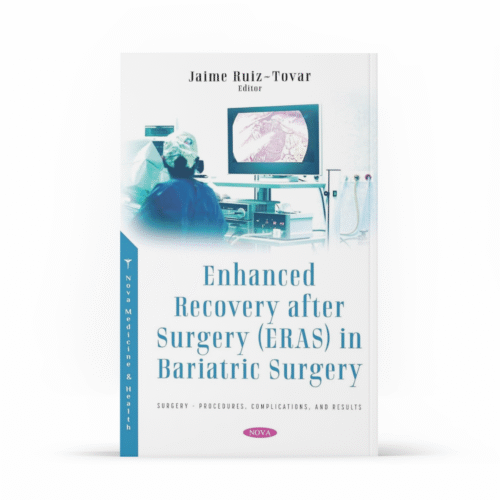
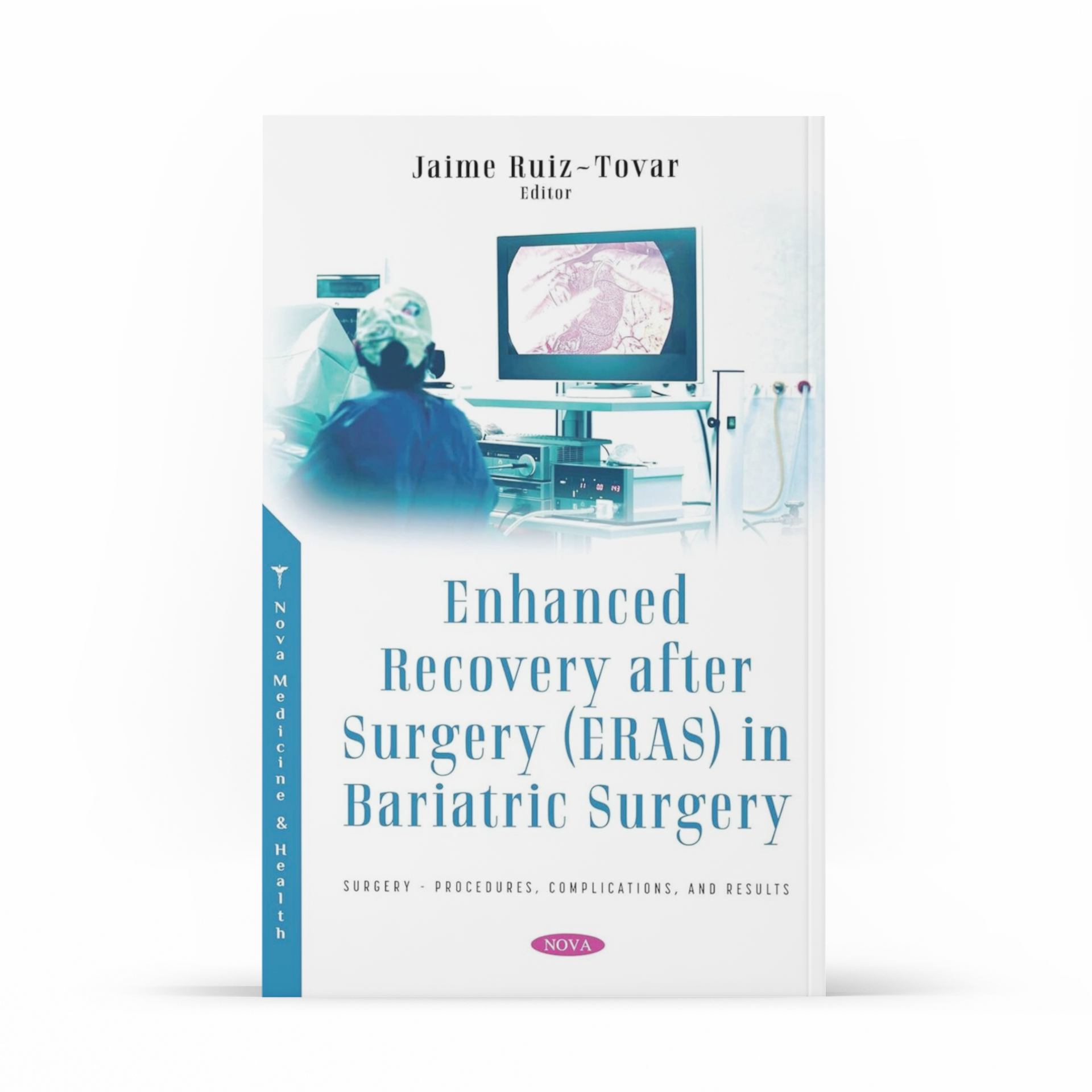
Enhanced Recovery After Surgery (ERAS) in Bariatric Surgery is a structured educational resource that presents evidence-informed discussion and academic frameworks related to enhanced recovery protocols in the context of bariatric surgical education. This guide outlines key concepts and multidisciplinary perspectives commonly addressed in clinical education and healthcare training.
Why This Guide Is Valuable
This title is widely used in academic and training environments because it provides:
- Evidence-informed discussion of enhanced recovery principles
- Structured explanations that support conceptual understanding
- Academic content suitable for study, teaching, and reference
- Integration of multidisciplinary concepts relevant to bariatric care
- Contribution from educators and professionals in surgical education
The content is presented in a neutral, research-focused academic tone appropriate for healthcare learners and educators.
What You’ll Learn
This guide offers educational insight into:
- Foundational principles of enhanced recovery protocols
- Evidence-informed perspectives frequently discussed in academic curricula
- Multidisciplinary approaches relevant to surgical education
- Conceptual models linked with perioperative care frameworks
-
Academic discussion of recovery strategies in bariatric settings
Who This Book Is For
This educational reference is suitable for:
- Medical and surgical students
- Bariatric and general surgery trainees
- Educators and academic institutions with surgical programs
- Allied health professionals and perioperative care learners
-
Researchers and clinicians interested in enhanced recovery principles
Product Information
- by: Jaime Ruiz-Tovar
- Published: 2021
- Language: English
- Pages: 360
- Size: 8 MB
Format & Access
- Format: Digital PDF
- Access: Instant access after purchase
- Compatibility: Desktop, tablet, and mobile devices
Educational & Reference Use Only
This book is intended to support academic learning and professional reference.
It does not provide medical advice, diagnosis, or treatment recommendations and should not replace professional clinical judgment or formal training.