 Digital educational resource
 Instant access after purchase
An Educational Surgical Atlas with Expert Consult
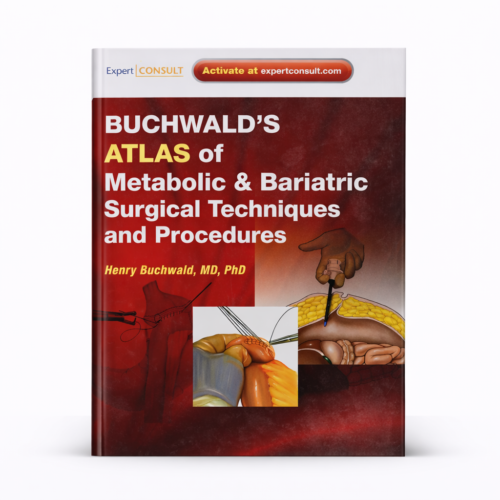
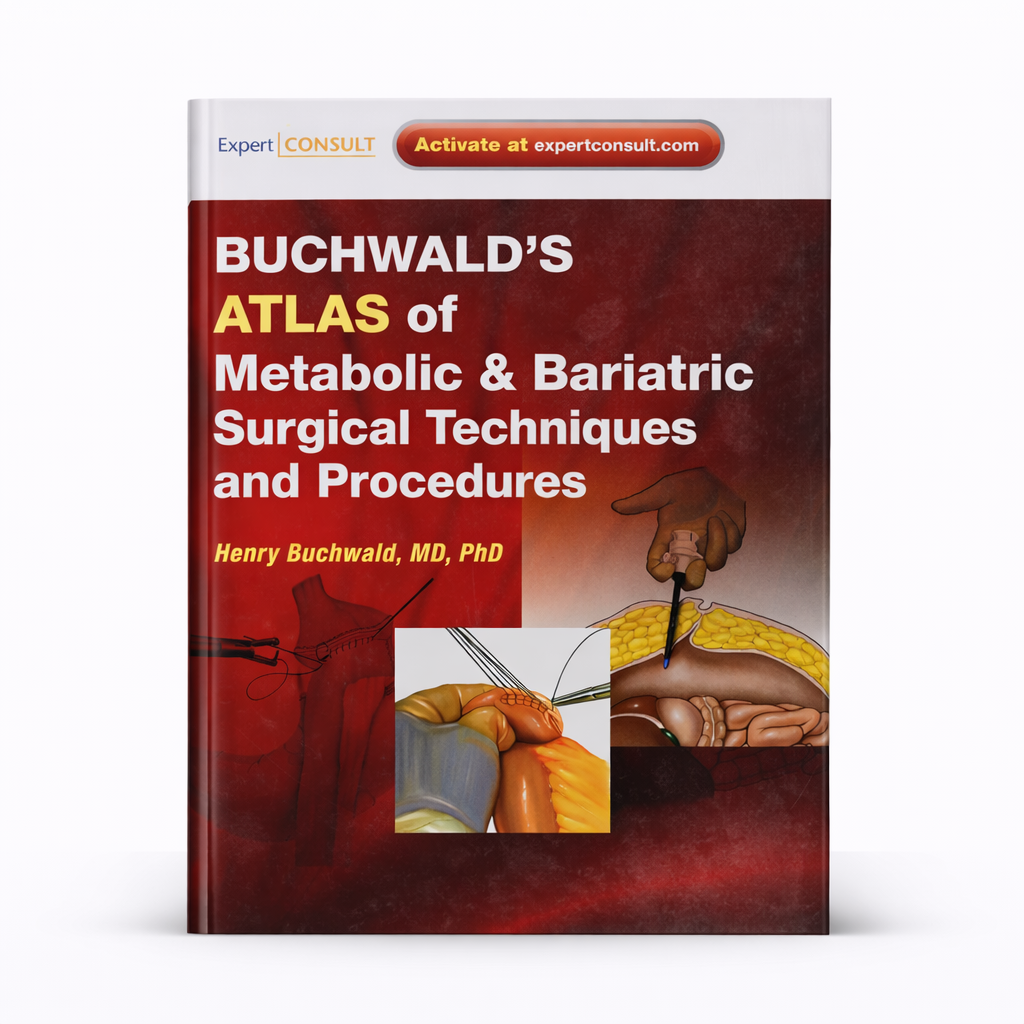
Buchwald’s Atlas of Metabolic/Bariatric Surgical Techniques and Procedures is a definitive educational reference offering comprehensive visual and conceptual coverage of bariatric and metabolic surgery techniques. This resource combines detailed operative illustrations with evidence-aligned explanations commonly used in surgical training and professional education.
This publication is provided strictly for educational and professional reference purposes.
Why This Atlas Is Valuable
This surgical atlas is widely used in academic and clinical learning environments because it offers:
- Detailed, high-resolution surgical illustrations
- Structured presentation of key bariatric surgical procedures
- Evidence-aligned discussion of operative context
- Expert Consult online access for extended review
- Content suitable for study, teaching, and long-term reference
What You’ll Explore
This educational atlas provides insight into:
- Surgical anatomy and operative setup for bariatric procedures
- Step-by-step representation of laparoscopic and metabolic techniques
- Visual context and illustrative detail supporting procedural understanding
- Academic explanations of procedure components and educational frameworks
-
Multidisciplinary perspectives relevant to surgical education
Who This Book Is For
This educational reference is suitable for:
- Surgical residents and fellows
- Bariatric and general surgery trainees
- Medical students in operative rotations
- Educators and academic institutions
- Allied health professionals involved in surgical education
-
Researchers and clinicians seeking structured academic content
Product Information
- by: Henry Buchwald
- Edition: 1 Har/Psc
- Published: 2011
- Language: English
- Pages: 400
- Size: 102 MB
Format & Access
- Format: Digital PDF
- Access: Instant access after purchase
- Compatibility: Desktop, tablet, and mobile devices
Educational & Reference Use Only
This publication is provided to support academic learning and professional surgical education.
It does not provide medical advice, diagnosis, or treatment recommendations and should not replace clinical judgment or institutional training requirements.